

The New Remote Work Reality: Home Features That Support Work-from-Anywhere
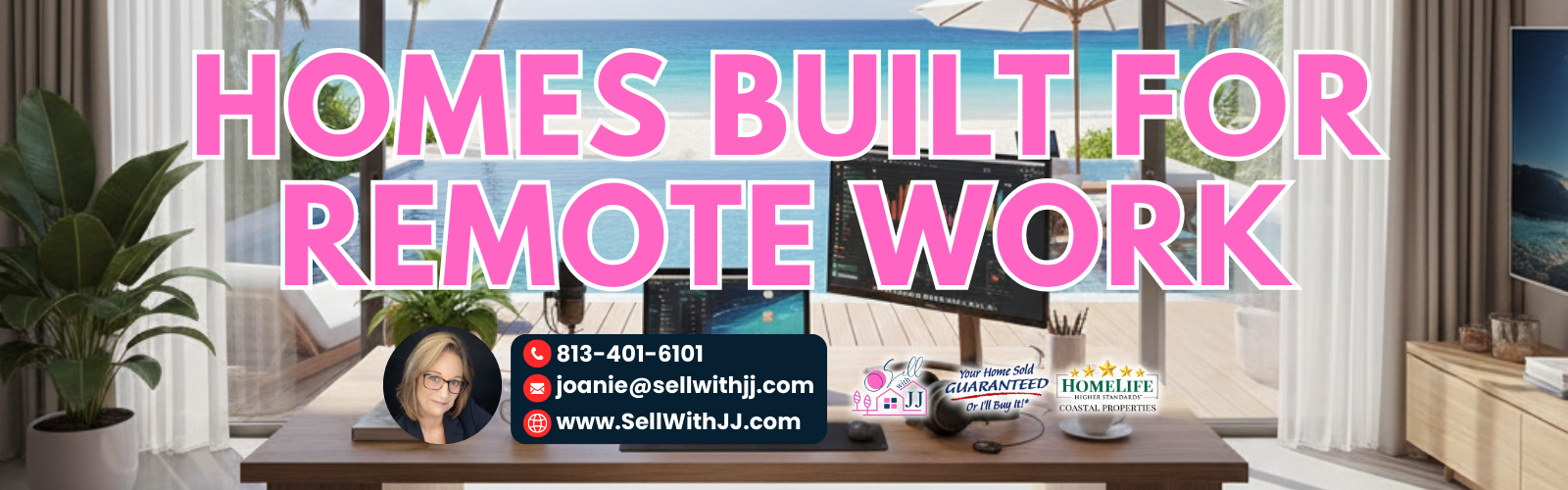
The remote work revolution transformed where people choose to live. Why endure harsh winters and high taxes when you can work from a place with year-round sunshine, no state income tax, and beach access? But successfully working from home—especially in paradise—requires more than just a laptop and good intentions. The right home features make the difference between productive workdays and constant frustration.
The Dedicated Office Space
Working from your dining table sounds flexible until you're there every single day. A dedicated office space—even a small one—creates essential boundaries between work and home life. Ideally, you want a room with a door. Physical separation helps maintain focus during work hours and lets you truly disconnect when you're done.
Location within the home matters too. An office off the main living area minimizes household noise during video calls. Spare bedrooms work perfectly, but even converted closets or screened lanais can function as offices with proper planning. Some newer homes include flex rooms or studies specifically designed for remote work.
Consider ceiling height and ventilation. Offices in converted garages or bonus rooms above garages can be stuffy without adequate air conditioning. You'll spend hours in this space—comfort directly affects productivity and job satisfaction.
Internet Speed: Your Lifeline
Nothing kills remote work faster than unreliable internet. Before buying, verify available providers and actual speeds—not just advertised speeds. Fiber optic connections provide the most reliable high-speed service, but availability varies by neighborhood.
Most remote workers need minimum 50 Mbps download speeds for video conferencing, file sharing, and general work. Households with multiple remote workers or heavy cloud usage should target 100+ Mbps. Upload speed matters too—important for video calls and backing up large files.
Some areas offer multiple providers, giving you options if one has reliability issues. Condos and HOA communities sometimes have bulk agreements limiting choices. Ask current residents about their experiences—online speed tests don't reveal intermittent outages or peak-time slowdowns.
Consider backup internet solutions. Mobile hotspots or secondary internet connections ensure you stay online during critical meetings even if your primary service fails. The cost of backup internet is minimal compared to missing important calls or deadlines.
Natural Light: Boost Mood and Productivity
Natural light affects mood, energy, and productivity. Offices with windows feel more spacious and pleasant. You didn't move here to sit in a dark room all day. Morning light particularly helps maintain healthy circadian rhythms when you're not commuting.
However, intense afternoon sun creates glare on screens and heats rooms uncomfortably. East or north-facing windows provide excellent natural light without these problems. If your ideal office has western or southern exposure, quality window treatments become essential—think solar shades or adjustable blinds that filter light without blocking it completely.
Window placement matters for video calls too. Position your desk so windows provide side lighting rather than backlighting. Being backlit makes you appear as a dark silhouette on camera—not the professional image you want.
Views That Inspire Without Distracting
Working with water views, golf course vistas, or tropical landscaping sounds perfect. It can be—if you find the right balance. Views provide mental breaks and reduce stress, but directly facing your pool or watching boats cruise by all day tempts distraction.
Consider desk positioning. Placing your desk perpendicular to windows lets you enjoy views during breaks without constant distraction. Some remote workers deliberately choose offices with pleasant but not spectacular views—attractive enough to enjoy, not so compelling they pull attention from work.
During lunch breaks, step outside. After-work beach walks or quick dips in the pool help transition from work mode to personal time. You've got year-round access to outdoor spaces—use them to maintain work-life balance.
Soundproofing and Acoustics
Video calls expose household noise. Barking dogs, garbage trucks, landscaping crews, or family members all create unprofessional interruptions. Solid-core doors reduce noise transmission better than hollow-core doors. Weather-stripping around door frames helps too.
Room acoustics affect call quality. Hard surfaces—tile floors, large windows, minimal furniture—create echo and poor audio quality. Area rugs, curtains, and acoustic panels absorb sound and improve your microphone pickup. These simple additions make you sound significantly more professional.
If you frequently take calls, consider office location relative to street noise. Offices facing busy roads or near pool equipment might require additional soundproofing. Interior rooms naturally block more external noise.
Electrical and Technical Infrastructure
Home offices need more outlets than standard bedrooms. Multiple monitors, computers, printers, charging stations, desk lamps—devices add up quickly. Insufficient outlets mean unsightly extension cords or power strips snaking across floors.
Dedicated circuits prevent tripping breakers when running multiple devices. If converting a space to an office, consider having an electrician add circuits and outlets. This investment pays off through years of frustration-free use.
Ethernet jacks provide more stable connections than WiFi for stationary workstations. Many newer homes include structured wiring with ethernet to multiple rooms. If your office lacks ethernet, powerline adapters or mesh WiFi systems improve connectivity without running new cables.
Climate Control
Comfortable temperature makes or breaks productivity. Individual room controls or smart thermostats let you adjust your office independently from the rest of the house. Ceiling fans supplement air conditioning and reduce energy costs.
Pay attention to how rooms feel at different times of day. Western-facing offices can become uncomfortably hot in afternoon. Bonus rooms above garages often run warmer than main-floor spaces. These comfort issues might seem minor during brief showings but matter significantly when spending eight hours daily in the space.
Storage Solutions
Home offices accumulate supplies, equipment, files, and miscellaneous work items. Built-in shelving, closets, or dedicated storage keeps offices organized and professional-looking for video calls. Even small closets provide valuable storage—you can tuck away supplies between uses rather than leaving them scattered across your desk.
Consider what you need to store: file boxes, printer paper, office supplies, reference materials, equipment. Plan adequate storage before setup prevents the cluttered office that gradually takes over other areas of your home.
Tax Implications
Home office deductions can reduce your tax burden, but requirements are specific. The space must be used regularly and exclusively for business. This means your spare bedroom used occasionally for work doesn't qualify, but a dedicated office used only for work does.
The simplified home office deduction allows $5 per square foot up to 300 square feet—potentially $1,500 annually. The regular method calculates actual expenses proportionally. Consult tax professionals about your specific situation, but having a proper dedicated office space positions you to take advantage of available deductions.
Community Amenities
Some communities offer coworking spaces, business centers, or conference rooms. These amenities provide professional meeting spaces for client calls or days when you need a change of scenery. They're especially valuable if your home office is small or you occasionally need to meet people face-to-face.
Other remote workers in your community create networking opportunities and social connections. Working from home can feel isolating—knowing other professionals nearby helps combat that isolation.
Living the Dream
Remote work enables living somewhere you actually want to be rather than wherever your job happens to be. But maximizing this opportunity requires homes equipped for productive work. The right space, reliable technology, and thoughtful setup let you maintain professional productivity while enjoying the lifestyle that attracted you here in the first place.
Morning coffee on the lanai before starting work. Lunch break beach walks. After-work sunset cruises. These aren't vacation activities—they're your new normal. Finding a home that supports both your professional and personal life makes that balance sustainable long-term.
---
Ready to Find Your Perfect Work-from-Home Property?
I understand what remote workers need in a home and can help you find properties with dedicated office spaces, reliable internet, and the features that support productive work. Let's find a home where you can thrive professionally while enjoying the lifestyle you've always wanted.
Joanie Jacques
Your Trusted Real Estate Partner
📞 813-401-6101
🌐 https://sellwithjj.com/
Categories
Recent Posts